Understanding Lighting for Reptiles: UVB & Heat
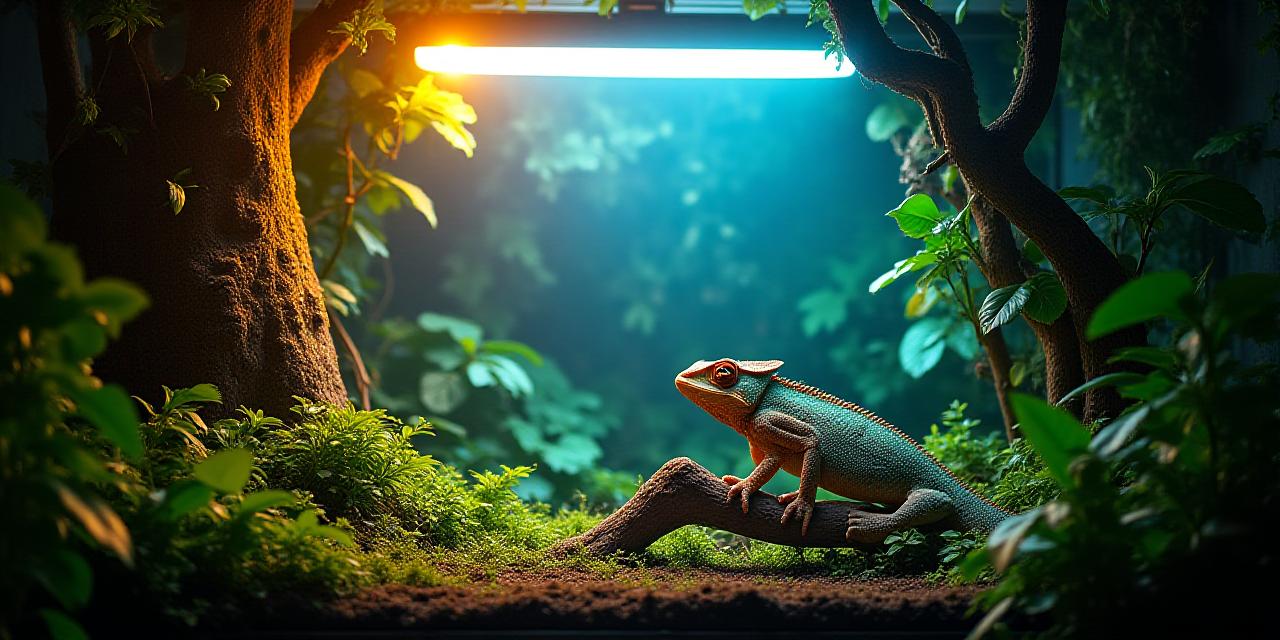
Why Lighting Matters: The Science of Survival
For reptiles, light is not just a way to see the world; it is the engine of their metabolism. Unlike mammals, reptiles are ectothermic, meaning they rely on external environmental sources to regulate their body temperature and process nutrients.
Calcium Metabolism & UVB
Without Vitamin D3, reptiles cannot absorb calcium from their food. UVB radiation triggers the synthesis of D3 in the skin. A lack of UVB often leads to Metabolic Bone Disease (MBD), a painful and potentially fatal condition. By providing high-quality UVB, you ensure your critter has strong bones and a healthy immune system.
Recommended UVB Percentages
| Species Type | Ferguson Zone | UVB Strength |
|---|---|---|
| Crepuscular / Shade Dwellers | Zone 1 | 2% - 5% |
| Partial Sun Baskers | Zone 2 | 5% - 6% |
| Open or Partial Sun | Zone 3 | 10% - 12% |
| Mid-Day Sun Baskers | Zone 4 | 12% - 14% |
Thermal Gradients: Creating the Hot and Cold End
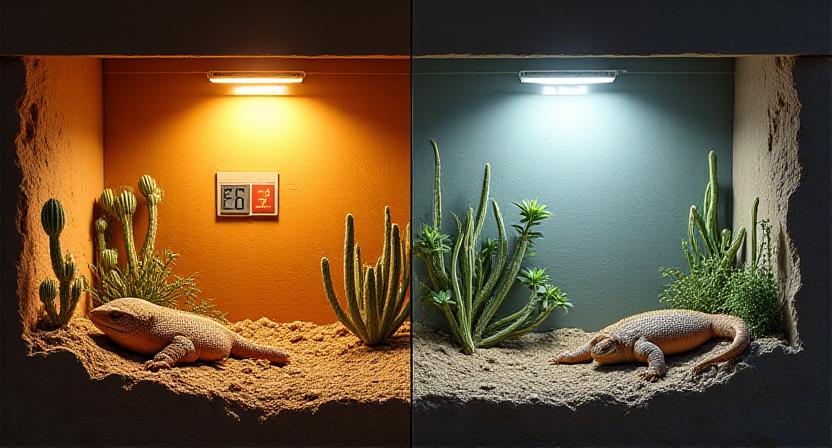
Imagine being stuck in a room with only one temperature. Your reptile needs a "Hot End" for basking and digestion, and a "Cool End" to escape the heat and rest. This thermal gradient allows them to "self-regulate."
Safety First: Avoiding Burns and Fires
- Always use a thermostat to control your heat sources.
- Install protective wire guards around heat bulbs to prevent direct contact with animals.
- Never place heat mats directly against glass without an air gap or thermostat probe.
- Replace UVB bulbs every 6-12 months, as they stop producing UV long before they stop producing light.